Saturday, March 31, 2007

This and That

Good news! The Economist ene doloo honogt uneguy bolj baigaa yum baina (ta yurduu gantshan simple survey bugluud l boloo). As Confidence once remarked, "a great chance to get less ignorant!"

"Seize the moment!"


"Identity Theft"-iin talaarh gants hoyor zuils:

SIERRA on "Identity Theft Protection"
The Economist Top Story, "Lax Maxx: Stealing customers’ data still seems all too easy"
"Identity Crisis" by Stephen Dubner and Steven Levitt on The New York Times Magazine
Further information about the article on Freakonomics

Postscriptum: Listen to "various Jazz and Jazz-related bands and gigs in Mongolia"
PostPostScriptum: Oasis-iin deer duridsan "Stop The Clocks" albumiig sonsohod uneheer uramtay bailaa! Endees CD1, CD2-g ni tataj avaaray.

Gluck ;)

Thursday, March 29, 2007

Noel Rocks!


Za baiz Oasis-iig sonsoj ehleed heden jil bolchihov oo. Lav l 10 jild baihdaa "slip in inside the eye of your mind" geed amandaa aylaad yavdag baisan yumdag. Yutay ch odoo boltol tedniig sonsdog heveeree. Yur ni uidah yanz alga, uidah ch uguy biz.

Oasis-iin huvid Beatlechuudiin gants hugjmiin tudiiguy setgelgeenii asar ih nuluu, jinhene bileg tanhai Mancunian spirit, tegeed dundarshguy avyas zergeeree busad BritPop hamtlaguudaasaa ers yalgarna. Sonirholtoy ni Oasis-iig toirood football hooliganism-aas avhuulaad, avgay huuhen, har tamhi, arhidalt, zodoon, ter buu hel hamtlag dotorh ah duu Gallagher-iin margaan geed heruul shuugian tasarnaa gej neg baihguy. Hamgiin ironic ni magadguy enehuu olon sensation ni hamtlagiin salshguy neg heseg bolsoor irsen, edgeer zuils baihguy bol Oasis bish bolchih geed baidag tal bii. Neg yosondoo edgeer zugguytel ni Oasis-iin neriin huudas ni gej helj bolhoor.

Yamartay ch minii huvid Oasis-iin ah duu Gallagheruud dotroos Noel ni hamgiin ih taalagddag (yostoy unuu manaihnii heldgeer "jinhene mujik"). Duu Liam ni setgelzuin huvid neleed togtvorguygees gadna jinhene uran buteelch hund baih yostoy neleed heden chanaruud dutagdaad baidag taltay. Harin Noel-iin huvid shal uur, magadguy odoo hurtel Oasis gedeg hamtlag orshin togtnosoor baigaa ni gantshan tuunii gavya geltey.

Suuliin uyed iimerhuu dalii zuilst anhaaral handuulahaa boliod udaj baigaag ch heleh uu, hamtlag dotor ni yur ni yu bolood baigaa talaar medeh zuil alga (medeh ch husel alga hehe). Yamar ch baisan Oasis-iin suuliin uyeiin gants hoyor togloltiin bichleg, audio interview zergiig ni halit guilgeed harval ah Noel ni gantsaaraa neleed ih togloj baigaa boltoy. Gehdee golduu unplugged mayagaar.

Ene bol minii suuliin 2 sar tasraltguy shaham sonsch baigaa Noel-iin Toronto-d hiisen togloltiinh ni bichleg. Acoustic, toglolt dundiin uzegch uran buteelch hoyoriin hooron dahi discourse geed buh yum ni uneheer bishirmeer.

AOL-iin "The Interface" deerh Noel-iin unplugged toglolt bolon yariltslagiig bagtaasan free podcast

Youtube deerh Oasis-iin gig-uudiin bichlegiin tsugluulga

Negent amid hugjmiin talaar halit duridsan uchir uuriin durtay gants hoyor hamtlagiin bichlegiig ni taviya:

Nada Surf podcast on "The Interface"
Broken Social Scene at Brandeis University (thanks Solongo for introducing me to these terrific musics)
Beth Orton in Melbourne, Australia
The Shins in Boston

P.S: Martsanaas Oasis-iin Greatest Hit-uudiig bagtaasan "Stop the Clocks" tsomgiig uter turgen olj avah yum baina shuu

Wednesday, March 28, 2007

Economists as Expert Witnesses

Courts now rely far more on economic analysis, with its apparent precision, to reach decisions. As a result, big companies in legal disputes race to enlist top economists on their side, paying top dollar in an arms race for talent.

Cases that might have been expert-free 30 years ago now involve as many as eight experts, four on each side, says Russell Frackman, an intellectual-property lawyer at Mitchell Silberberg & Knupp in Los Angeles. Economists are part of each side's roster; so are specialists in a myriad of other fields. "Even if you don't think the other side's expert will have much influence," says Mr. Frackman, "you don't want the jury to wonder why you couldn't find another expert to offset him or her."
An Economist's Courtroom Bonanza

Friday, March 23, 2007

Miles Davis and John Coltrane - So What

Monday, March 19, 2007

This and That

Гадаад харилцааны сайд асан Ц.Гомбосүрэн гуайн Зууны Мэдээ сонинд өгсөн ярилцлага

Honoring Wired's Patron Saint: Marshall McLuhan

What is the Meaning of The Medium is the Message?

Jean Baudrillard: Philosopher and sociologist who blurred the boundaries between reality and simulation

The Economist obituary of Jean Baudrillard

Jean Baudrillard
Mar 15th 2007
From The Economist print edition


Jean Baudrillard, philosopher of consumerism, died on March 6th, aged 77

AT SOME point in his career—neither date nor time being important—Jean Baudrillard took a large red cloth, draped it over a chair in his apartment, and sat on it. He may have smoked or thought for a while, or scratched his nose; a large, doughlike nose, supporting glasses. He then got up, leaving an impression of his body behind. The image pleased him: so much so, that he took a photograph.

Since he made no comment on the event (beyond the fact that the chair was later broken), the exact details are conjectural. But by putting the cloth on the chair, and sitting on it, Mr Baudrillard added to the plethora of signs, objects and symbolic acts that made up, in his philosophical system, the whole woof and warp of the 20th century. By getting up, he left behind a “simulacrum” of himself: the truth, as he teasingly put it, that hid the fact that there was no truth there. And by photographing the chair he made it “hyperreal”: an image, which could be reproduced unendingly, of an object that claimed to have meaning and, in fact, had none.

Then he went to lunch.

Pourquoi pas? When a simulacrum is also a French philosophe, perhaps the most popular of recent decades, he needs a bottle of Merlot from time to time. And since he spent his days considering the seductive power of images and objects, it was fun to observe that he himself had such a power over the woman in the butcher's who wrapped up his foie de veau, just because she had seen him on television.

Whether Mr Baudrillard's world was utter nonsense, or whether it was a profound critique of a consumerist civilisation drowning in its own meaninglessness, was a matter for lively debate. Many of his French colleagues found him too much: noisy, mischievous, attached to no school (though he had sat at the feet of both Henri Lefebvre and Roland Barthes in his feverish years at Nanterre, when teaching had been interrupted by clouds of tear-gas and cobblestone-throwing). He said things that got him into trouble. His enthusiasm for the événements of 1968 painted him as a man of the Left, where philosophes belonged as naturally as fish in water; but Mr Baudrillard later broke with Marx, and called him a conservative. What he meant was that both communism and capitalism made human existence a matter of production and exchange, while he preferred to stress its symbolic side.

In any case, in his world, both the liberal and the communist narratives of history had collapsed. “The end of history” was no longer universal capitalism and democracy or the victory of the proletariat. It was summed up for Mr Baudrillard by a lone man jogging, oblivious to his surroundings, hearing only the music of his own sound-system and aware only of the statements he himself was making: health, fashion, endurance. He was running straight ahead, but with no end in view.

The desert of the real
Of all the people he offended, none took more umbrage than the Americans. This was interesting, for he was far more popular there than in France, lecturing on various campuses of the University of California and even appearing, at Whiskey Pete's outside Las Vegas, as some sort of lounge lizard in a gold lamé jacket. In 1986 he got in a car and drove across the country, both hating and adoring it. He had never been so fully in a land of hyperreality, cluttered with meaningless symbols or, as in Disneyland, with garish synthetic versions of ordinary life. He looked for America, he wrote, in “motels and mineral surfaces...in the speed of the screenplay, in the indifferent reflex of television, in the film of days and nights projected across an empty space.” There he found himself, playing a French philosopher, roaring through “the desert of the real”.

Americans did not like his book. They did not care to be called “the only remaining primitive society”. A few years later, they objected also to Mr Baudrillard's contention that the first Gulf war of 1991 had never taken place. But, in his view, it had not. The media had created a picture of conflict; but Saddam had deployed his troops, and America had dropped its bombs, as pure statements of power in a vacuum, and the two forces had never met. General Norman Schwarzkopf, the “victor” (though with no victory) had celebrated with a party in Disneyland: QED.

All this paled, however, beside Mr Baudrillard's musings on the terrorist attacks of September 11th 2001. This was the “absolute event”, an inevitable reaction to “insufferable” American power. In the face of overweening globalisation, to destroy the twin towers was the only response. The symbol invited its destruction: “It was they who did it, but we who wished it.”

Most Americans decided, at this point, that they did not understand Mr Baudrillard very well. But then few people did. Behind the panache of his ideas—often bunkum, yet sometimes catching acutely the media-dominated triviality of modern life—the man was hidden. “No background,” he would growl, if you asked. Somewhere, there was German-speaking peasant stock and suspicious parents who wondered what on earth they had produced in this plump and bookish boy. Or perhaps there was really none of that at all: just a photograph of a suggestion of a human shape, on a red cloth on a chair.

Thursday, March 15, 2007

How To Think Like An Economist

How To Think Like An Economist Talk given by Diane Coyle at the Institute for Political and Economic Governance, University of Manchester, 30 May 2003

Part 1
Part 2

Wednesday, March 14, 2007

Articles

Culture Is Destiny; A Conversation with Lee Kuan Yew by Fareed Zakaria

John Stuart Mill in Math

Risk Manager: A Nobel laureate says learning can be costly

"The Limited Circle Is Pure" by Zadie Smith

Bolomj garval olj unshih nom

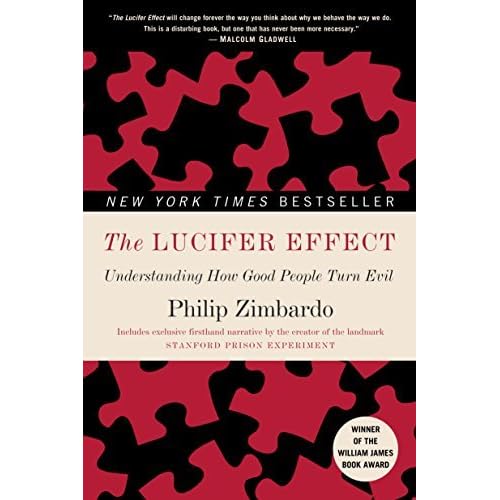
The Lucifer Effect: Understanding How Good People Turn Evil by Philip Zimbardo

From Publishers Weekly
Psychologist Zimbardo masterminded the famous Stanford Prison Experiment, in which college students randomly assigned to be guards or inmates found themselves enacting sadistic abuse or abject submissiveness. In this penetrating investigation, he revisits—at great length and with much hand-wringing—the SPE study and applies it to historical examples of injustice and atrocity, especially the Abu Ghraib outrages by the U.S. military. His troubling finding is that almost anyone, given the right "situational" influences, can be made to abandon moral scruples and cooperate in violence and oppression. (He tacks on a feel-good chapter about "the banality of heroism," with tips on how to resist malign situational pressures.) The author, who was an expert defense witness at the court-martial of an Abu Ghraib guard, argues against focusing on the dispositions of perpetrators of abuse; he insists that we blame the situation and the "system" that constructed it, and mounts an extended indictment of the architects of the Abu Ghraib system, including President Bush. Combining a dense but readable and often engrossing exposition of social psychology research with an impassioned moral seriousness, Zimbardo challenges readers to look beyond glib denunciations of evil-doers and ponder our collective responsibility for the world's ills. 23 photos. (Apr. 3)
Copyright © Reed Business Information, a division of Reed Elsevier Inc. All rights reserved.
http://www.amazon.com/Lucifer-Effect-Understanding-Good-People/dp/1400064112/ref=pd_sxp_f_pt/104-8399067-7467935

Tuesday, March 13, 2007

Some Articles

"Psychology of evil" professor delivers final Stanford lecture (ene talaar iluu ihiig medehiig husvel Amateur-Directors deer Hashaa-giin bichsen "Das Experiment" kinonii review-iig unshaaray)

Steven Landsburg - The Theory of the Leisure Class

Tyler Cowen on EconTalk

Ed Glaeser and Daron Acemoglu debate: "Is Democracy the Best Setting For Strong Economic Growth?"

NYTimes on Ed Glaeser - "Home Economics"

Monday, March 12, 2007

Old Wine in New Bottle?

Доктор, профессор Ц.Дэмбэрэл - "Ахын захиас"

Эр хүйстэй төрөх, ЭР ХYН болохын хооронд их зай бий. Эцэг болох амархаан, харин ААВ байх л амаргүй. Дороо дүүтэй бүхэн ах болчихгүй. Ах шиг Ах байх нь хамгаас чухал. Бас сайн дүү гэж бий. Аав шиг ААВ, Ах шиг АХ, дүү шиг ДYY.

Confucius - Rectification of Names

"There is government, when the prince is prince, and the minister is minister; when the father is father, and the son is son." (Analects XII, 11, tr. Legge).

Saturday, March 10, 2007

George Soros interviews Financial Times

Chrystia Freeland, FT US Managing Editor and FT reporter James Politi, interviewed George Soros in New York on March 6

Transcript: George Soros Interview

Just hit the spot

"[...] she represents the most baffling girl and the most resounding challenge I have yet faced. All my ingenuity barely sufficed to keep her entertained for a couple of hours. Her career has given her such a hard shell that it is damned hard to draw blood. And her prejudice against acedemic life, of which I seem to her so perfect an example, increases her indifference."
- Arthur M. Schlesinger, Jr. "A Life in the 20th Century: Innocent Beginnings, 1917-1950" p.185

Thursday, March 08, 2007

Beatles Reminiscence

Odoogoos 2 jiliin umnu tsag zavaa garzdan baij The Beatles-iin tuhai 5 DVD documentary-g uzej duusgaj bilee. Ur dund ni yurduu 4-hun individual humuun saya saya hunii setgelgeend yamar tom huvisgal hiisniig ni oilgoson yum. Yurunhiiduu Baabar, Bayarkhuu hoyoriin nerledgeer beatlechuud bol "Manai zuunii [bish ee ungursun zuunii] hurug" munuusuu mun. Tegeed ch yur ni "Mongoliin ardchilsan hudulguund Beatles-iin uzuulsen nuluu" gedeg sedveer zanimaldval unuu "Ugiin Uurhai" geed nevtruulgiig hutuldug baisan (odoo Indiana University-d baigaa) Saruul-Erdene-ii heldeg shig "sain nuhval master-iin zereg hamgaalahaar ajil bosood irj medeh yum shuu" hahaha.

Za ene marzagnal ch yahav. Suuliin hed honog ungursun 11 sard Beatles-iin barag buh albumniih ni producer-eer ajillaj baisan Sir George Martin bolon tuunii huu Giles Martin nariin beatlechuudiin ihenh hit duunuudiin shinechilsen huvilbariig bagtaasan "Love" hemeeh tsomogt "dontov". Bi oiriin hoyor honog ene albumnii duunuudaas uur duu sonsooguy bolhoor ingej todotgood baigaa hereg l dee, hehe. Neg yosondoo bol Hashaa-giin heldgeer yostoy "tasarhaiguy gazarguy" bolj :)

Harin saya ene album-iig sonsoj baigaad unuu 5 DVD buhii documentary deer uzej baisan gants hoyor durtay clipee sanav:


Ehniih ni "Something" duunii clip. Linda McCartney-giin hesguudiig haraad l baimaar...


Enehuu "Across the Universe" duug beatlechuud (gehdee yurunhiiduu bol Lennon-McCartney hoyor) Enethegt Ganga Murnii ereg deer Maharishi Mahesh Yogi-giin dor transcendental meditation hiij baih uyedee zohioson gegddeg. Jai Guru Deva Om...

Wednesday, March 07, 2007

Hahaha!

via Big Picture

Monday, March 05, 2007

Blog

http://blog.myspace.com/enkhee - Saya yumaa uhaj baigaad asar ertnii neg blog olov :D (ezen ni hurtel baidgiig ni barag martsan baih aa haha)

A Fatherly Advice, lol

Dear Economist
Published: February 16 2007 17:11 | Last updated: February 16 2007 17:11

Dear Economist,

My stepfather is an alcoholic and spends his time and money on nothing but self-intoxication. This results in me experiencing great anger and wanting to do something stupidly aggressive.

My mother has less and less money to run the house. I no longer live there but will soon have to contribute money to prevent my mother entering a downward spiral of debt. How do I control an alcoholic who is content only with a bottle in his hand? How do I solve the financial problem? How do I stop myself becoming wound up by my stepfather’s actions?

Name and address supplied


Your stepfather is addicted to alcohol, but your real problem is that your mother is addicted to your stepfather and you are addicted to her. There are economic ideas about how to break an unwanted addiction (Nobel laureate Thomas Schelling coined the phrase “egonomics”) but they presuppose that the addict wants to kick the habit. It does not sound as if any of you actually wishes to break his or her respective addiction, which would make them “rational addictions”, as theorised by Gary Becker, another laureate, and Kevin Murphy. Taking into account all the costs and benefits, each of you would prefer to stay addicted.

You should therefore not be focusing on addictions but externalities. Your stepfather is imposing a grievous cost on you and your mother but not offering any compensation. Ronald Coase - yet another laureate - suggested that externalities could be bargained away. You could just pay your stepfather to stop drinking, or he could pay you to stop complaining about it. The problem is that Coase’s theorem requires that you are able to negotiate without costs in time, trouble or embarrassment. In your case, alas, this seems unlikely.
http://www.ft.com/cms/s/7e1c73a4-bbf5-11db-9cbc-0000779e2340,_i_rssPage=ac3ef27a-33fc-11da-adae-00000e2511c8.html

Tim Harford (trust me he's an economist gsn :P) geed unuu "Freakonomics" ene ter shig ediin zasgiin onoluudaar udur tutmiin amidraliig tailbarlah gej orolddog neg nuhur bii. Hervee bi buruu sanaaguy bol Oxford tugssun baih. Anh Hashaa-giin bichlegiig huuj yavsaar baigaad mani eriin bichleguudtey anh taniltsaj bilee, hehe. Odoo bol niitlel buriig ni ali boloh algasalguy unshihiig boddog bolson. Harford yamar ch hun oilgohoor mash engiin goyo bichlegiin helberteyn deer asar complex zuilsiig ediin zasgiin onol ashiglan mash urnaar tailbarladag. Tegeed ta buhend hervee bolomj oldvol doloo honog bur tuunii Financial Times deer hutuldug column-iig unshij baihiig zuvluyu.

http://www.ft.com/arts/columnists/timharford
http://www.timharford.com/


Aan tiim, sayhan tuunii "Undercover Economist" geed nom garsan. Nomiin delguurt hartal jaahan huuhdiin comics ene ter shig sanagdahaar ni avaaguy yum. Bolomj garval olj unshnaa :D

Sunday, March 04, 2007

Contemplation on English Food, lol

Avi: Yes, London. You know: fish, chips, cup 'o tea, bad food, worse weather, Mary fucking Poppins... LONDON! [Snatch]


the history of English food suggests that even on so basic a matter as eating, a free-market economy can get trapped for an extended period in a bad equilibrium in which good things are not demanded because they have never been supplied, and are not supplied because not enough people demand them

An another outstanding analysis by our beloved Paul Krugman :) (little bit outdated, though) -Supply, Demand, and English Food

New Web Log

http://magnai.origo.mn/ - ENTIK-iin yurunhii zohitsuulagch Magnai-giin web log

Зовсоны эцэст бус зөвхөн тэмцэсний үр дүнд л жаргана. /О.Магнай/
lol

Friday, March 02, 2007

Bureaucracy

Oron buhnii bureaucrat nar negdehtun gsn :P

http://www.janbanning.com/the_bureau/the_bureau.html

"The Big Meltdown" by Paul Krugman

FEB. 27, 2008

The great market meltdown of 2007 began exactly a year ago, with a 9 percent fall in the Shanghai market, followed by a 416-point slide in the Dow. But as in the previous global financial crisis, which began with the devaluation of Thailand’s currency in the summer of 1997, it took many months before people realized how far the damage would spread.

At the start, all sorts of implausible explanations were offered for the drop in U.S. stock prices. It was, some said, the fault of Alan Greenspan, the former chairman of the Federal Reserve, as if his statement of the obvious — that the housing slump could possibly cause a recession — had been news to anyone. One Republican congressman blamed Representative John Murtha, claiming that his efforts to stop the “surge” in Iraq had somehow unnerved the markets.

Even blaming events in Shanghai for what happened in New York was foolish on its face, except to the extent that the slump in China — whose stock markets had a combined valuation of only about 5 percent of the U.S. markets’ valuation — served as a wake-up call for investors.

The truth is that efforts to pin the stock decline on any particular piece of news are a waste of time.

Wise analysts remember the classic study that Robert Shiller of Yale carried out during the market crash of Oct. 19, 1987. His conclusion? “No news story or rumor appearing on the 19th or over the preceding weekend was responsible.” In 2007, as in 1987, investors rushed for the exits not because of external events, but because they saw other investors doing the same.

What made the market so vulnerable to panic? It wasn’t so much a matter of irrational exuberance — although there was plenty of that, too — as it was a matter of irrational complacency.

After the bursting of the technology bubble of the 1990s failed to produce a global disaster, investors began to act as if nothing bad would ever happen again. Risk premiums — the extra return people demand when lending money to less than totally reliable borrowers — dwindled away.

For example, in the early years of the decade, high-yield corporate bonds (formerly known as junk bonds) were able to attract buyers only by offering interest rates eight to 10 percentage points higher than U.S. government bonds. By early 2007, that margin was down to little more than two percentage points.

For a while, growing complacency became a self-fulfilling prophecy. As the what-me-worry attitude spread, it became easier for questionable borrowers to roll over their debts, so default rates went down. Also, falling interest rates on risky bonds meant higher prices for those bonds, so those who owned such bonds experienced big capital gains, leading even more investors to conclude that risk was a thing of the past.

Sooner or later, however, reality was bound to intrude. By early 2007, the collapse of the U.S. housing boom had brought with it widespread defaults on subprime mortgages — loans to home buyers who fail to meet the strictest lending standards. Lenders insisted that this was an isolated problem, which wouldn’t spread to the rest of the market or to the real economy. But it did.

For a couple of months after the shock of Feb. 27, markets oscillated wildly, soaring on bits of apparent good news, then plunging again. But by late spring, it was clear that the self-reinforcing cycle of complacency had given way to a self-reinforcing cycle of anxiety.

There was still one big unknown: had large market players, hedge funds in particular, taken on so much leverage — borrowing to buy risky assets — that the falling prices of those assets would set off a chain reaction of defaults and bankruptcies? Now, as we survey the financial wreckage of a global recession, we know the answer.

In retrospect, the complacency of investors on the eve of the crisis seems puzzling. Why didn’t they see the risks?

Well, things always seem clearer with the benefit of hindsight. At the time, even pessimists were unsure of their ground. For example, Paul Krugman concluded a column published on March 2, 2007, which described how a financial meltdown might happen, by hedging his bets, declaring that: “I’m not saying that things will actually play out this way. But if we’re going to have a crisis, here’s how.”

Thursday, March 01, 2007

Economist Joke of the Week

A man dies and goes to hell. There he discovers that he has a choice: he can go to capitalist hell or to communist hell. Naturally, he wants to compare the two, so he goes over to capitalist hell. There outside the door is the devil, who looks a bit like Ronald Reagan. "What's it like in there?" asks the visitor. "Well," the devil replies, "in capitalist hell, they flay you alive, then they boil you in oil and then they cut you up into small pieces with sharp knives."

"That's terrible!" he gasps. "I'm going to check out communist hell!" He goes over to communist hell, where he discovers a huge queue of people waiting to get in. He waits in line. Eventually he gets to the front and there at the door to communist hell is a little old man who looks a bit like Karl Marx. "I'm still in the free world, Karl," he says, "and before I come in, I want to know what it's like in there."

"In communist hell," says Marx impatiently, "they flay you alive, then they boil you in oil, and then they cut you up into small pieces with sharp knives."

"But… but that's the same as capitalist hell!" protests the visitor, "Why such a long queue?"

"Well," sighs Marx, "Sometimes we're out of oil, sometimes we don't have knives, sometimes no hot water…"
http://academic.reed.edu/economics/course_pages/354_s06/joke.htm

Wednesday, February 28, 2007

The Beginning of a Bear Market?


Dow Jones Index collapses over 200 points in less than 2 minutes. Holy crap! According to The NYTimes, "An estimated $600 billion loss in market value on Tuesday erased all of 2007's gains." I'm just really worried about magnitude of the contagion it will create.

http://www.nytimes.com/2007/02/28/business/01stoxcnd.html?hp

Monday, February 26, 2007

Beth Orton


British Rock is incomparable (setgelgeenii huvid ch, hugjmiin huvid ch). Hail Beth Orton! "Perhaps she is the most underrated singer/songwriter of our time."

Thursday, February 22, 2007

The Future of Economics Isn’t So Dismal

The Future of Economics Isn’t So Dismal by David Leonhardt

Who are the young (untenured) economists doing work that is both highly respected among experts and relevant to the rest of us? Who, in other words, is the future of economics?

Ulrike Malmendier
Stefano DellaVigna
Roland Fryer
Jesse Rothstein
Jesse Shapiro
Emily Oster
Amy Finkelstein
Benjamin Olken
Raj Chetty
Justin Wolfers
Xavier Gabiax
Matthew Gentzkow
Dean Karlan

Friday, February 16, 2007

Mongolian Development Economics Blog

Hugjliin ediin zasgiin talaar yariltsatsgaagay - http://hugjil.blogspot.com/

Wednesday, February 14, 2007

Robert Lucas on Growth, Poverty and Business Cycles

Bob Lucas, Nobel Laureate and professor of economics at the University of Chicago talks about wealth and poverty, what affects living standards around the world and over time, the causes of business cycles and the role of the money in our economy. Along the way, he talks about Jane Jacobs, immigration, and Milton Friedman's influence on his career.
http://www.econtalk.org/archives/2007/02/lucas_on_growth.html

"Once you start thinking about them, it's hard to think about anything else" - Bob Lucas

Saturday, February 10, 2007

Greeting

Guten Tag und Vielen Dank to all my German readers :)

Wednesday, February 07, 2007

Urianhai ba Kant: Means and Ends

"Буддын гvн ухаанд "Буяны хууль" гэдгээр бvх vйлд ханддаг. Энэ хуулиар бусдад тус болоод, тус болж байгаагаа єєрєє мэдэхгvй байх ёстой. Одоогийн хэлээр бол "vнэлэхгvй" байх ёстой. "Ма-ма", "ла-ма" эд нар чинь ерєєсєє vнээ гэсэн vг гэж байгаа юм ш дээ. Yнээ гэдэг vрээ болоод энэ хvн тєрєлхтнийг сvvгээрээ угжиж, цатгаж, цайлж байгаа. Yнээ єєрєє vvнийг мэдэхгvй. Тэгэхээр хамгийн буянтай амьтан байгаа байхгvй юу. Єнєєдєр тэрбум тєгрєг бусдад єгєєд тэрийгээ мартаж чадахгvй байгаа бол тэр буян биш. Яагаад гэвэл араас нь хармын сэтгэл дагаад, хариу нэхээд явдаг. Хариу нэхээгvй, хармын сэтгэл цээжинд нь vvсээгvй тийм єглєгийг буян гэж vздэг." - Урианхай


"So act as to treat humanity, whether in thine own person or in that of any other, in every case as an end, never as means only." - Kant

Tuesday, January 30, 2007

An admirable post by Gideon Rachman

Very informative yet entertaining. A top-notch writing by Gideon Rachman. I admire you all out of proportions, Mr. Rachman! :-D

My Davos nights

I knew it was a good idea to go to the “classic clarets” dinner. Some crazed benefactor had donated an extraordinary collection of wines for us to taste: Latour 1952, Lafite 1962, Cheval Blanc 1975 – and six others.

Seated next to me was Victor Yanukovitch, the prime minister of Ukraine. Since we do not share a common language, we were unable to exchange the usual chit-chat – “faint whiff of pencil shavings” – that sort of thing. In the event, he had to leave half-way through. This was a lucky break for me, since he left behind unfinished samples of Latour and Lafite, which I swiftly poured into my own tasting glasses. It did cross my mind that there have been some unpleasant cases of poisoning involving politicians from this part of the world – so I hesitated briefly before knocking back Yanukovitch’s left-overs. But what the hell, you don’t get to taste Latour every day. I’m pretty sure I got away with it. I do feel fairly appalling this morning - but I think it’s just a standard issue hang-over.

After the clarets dinner, it was over to the Belvedere Hotel, where the “young global leaders” were having a drinks party in an igloo – to underline their concern about global warming. I got into discussion with a young guy, who informed me that he might be about to become prime minister of Serbia. Perhaps I looked sceptical, because he then said – “or maybe deputy prime minister.” I’ve got his card, anyway.

Talking of future prime ministers, I then spotted the leader of the Britain’s Tories at the other side of the room. Emboldened by nine glasses of classic claret plus four Margeritas, I glided over to speak to David Cameron. But we hadn’t been talking long before we were interrupted by some gushing German, who launched into an absurdly over-the-top tribute to Cameron – “I admire you sir, I wish you good fortune, you are the future of our continent” – that sort of thing. Cameron nodded politely and whispered out of the side of his mouth – “Don’t laugh”, which rather endeared him to me.

At this point, there was a further interruption. A young global leader announced that we now had to listen to a discussion on climate change between Shimon Peres and Claudia Schiffer. (I’m not making this up.) I headed for the bar, since although there are many things that I find interesting about Claudia Schiffer, her views on climate change are not among them. When I got back a little later, the discussion was over. An American friend of mind announced in a determined voice, “I’m going to go over and make a pass at Claudia Schiffer.” She walked over to Schiffer and when I left, the two of them were indeed engaged in an animated conversation. But I doubt it went any further. Just guessing.

But the prize for the most peculiar thing to happen to me at Davos on Thursday goes to the enforced prayer session I was roped into. I was walking through the Congress Centre, when an Israeli I met on the bus to Davos came up to me and said – “You’re Jewish right.” I cautiously agreed to this proposition, at which point he informed me that he was rounding up 10 Jews to say prayers for his late father.

Before I knew it, I was ushered into a side room and a paper napkin was placed over my head. In the same room were a couple of rabbis with impressive beards, as well as Robert Winston, the father of IVF fertility treatment and fellow FT columnist, Jacob Weisberg. In my confusion, I turned to Weisberg and said – “I didn’t even know that Robert Winston was Jewish”, to which he replied evenly – “It’s certainly looking that way, Gideon.” When the prayers started, I turned to Jacob again and muttered – “What do I do now?” He replied – “Stand still and don’t check your e-mail until it’s over.” This ranks as the best piece of advice I have yet received at Davos.

Now I have to go and take notes on the CEO forum on talent. Can’t wait.

On Contemporary Mongolian Music

Yur ni yavj yavj Mongold suuliin uyed ene heden alternative rock hamtlaguud ni hamgiin davguy duulaad baigaa yum bish uu. Saya ene The Lemons geed hamtlagiin shine garsan heden duug sonsloo. Yur ni ih davguy, haanahiin yamar ch hund sonsgoson nuur ulaihaarguy. Clip ni hurtel gadnii yamar ch hamtlaguudaas dutahaarguy, neg tiim shiniig erelhiilsen murtuu uchir ni oilgogdohguy zambaraaguy bish.


Yur ni minii bodloor hamgiin anh Night Train-iig garch irseneer Mongoliin alternative rock-iin hugjil shine tuvshindee garch irsen baih (ali esvel Madness-ees ch ehelsen baij boloh). Uneniig helehed bi Night Train-ii "Tsenher Shuvuu" album-iig yamar ch gadaadiin hund Mongolchuud henees dutahguy geed nuur bardam uzuuldeg (duunuudiinh ni chanar, album cover, computer deer garch irdeg flash nemeltuud geed buh yum ni). Bas ted nariin "Zuulun" geed duug ni sonsohleer neg tiim Oasis-iin "Whatever"-iig sanagduulam, huchtey, erh chuluutey, shine huuchniig havsarsan medremj turuuldeg. Za ter clipiinh ni huvid bol "minii dalii medremjeer" Mongold hiigdsen hamgiin sain clip! Odoo boltol uun shig shiniig erelhiilsen hiigeed guitseh zuraglaltay clip Mongoliin hamtlag duuchdaas garch ireeguy l baina.


Neeree saya Mongold ochood ene Altan Urag gej mundag hamtlagiig uurtuu "ilruulev"! Uneheer gaihamshigtay! Duunuudiinh ni tsar huree, duugaaralt ni uneheer bishruulem. Gehdee tednii enehuu gaihamshig ni gants mundag hugjim zohiodog eshuul mundag hugjimddugt ni baigaa yum bish. Harin orchin uyeiin dayarshliin nuhtsuld ardiin urlag geech zuiliig shine zuunii tuvshind ni gargaj irsen ni mash chuhal ololt. Neg yosondoo unuuh Thomas Friedman-ii heleed baidag "The Lexus and The Olive Tree" hoyoriig mundagaar hosluulj chadsan gaihaltay jishee. Manai busad salbariinhan ch gesen uunees ih zuil suruushtay.


Za ter hip-hop nariin talaar bol heleh ug alga daa (gehdee Masta Flow bol end exception). Ter hamgiin sain geed baigaa Tatar, Lumino-giinh ni clip-iig ni uzsen chini yu ve? Ee buu uzegd, GOD FORBID! Yum l bol neg shaldan huuhen bogsoo camert naagaal, arhiig huvin huvingaar ni tsutgaal, tsus nujinduu hutgaltadlaa zodoldool. WTF? Mongoliin orchin uyeiin aesthetic sensibility tiim dooshoogoo orchihson yum uu?

Sunday, December 10, 2006

Populism

Mongolnews writes:

Ирэх онд 1250 км эрчим хүчний шугам татах юм байна. 50 орчим сумыг төвлөрсөн эрчим хүчний сүлжээнд хамруулж, 21 мянган малчин өрх сэргээгдэх эрчим хүчээр хангагдах аж. Бүс нутгийн хөгжилд зориулж 19 тэрбум төгрөг гаргана. Сум болгонд хууль сурталчлахад зориулж дөрвөн сая, сумын их засварт зориулж арван сая, урсгал засварт 1.5 сая, Засаг даргын нөөц хөрөнгөд гурван сая, аймгийн төвийн суманд үүнээс 2-3 дахин их хөрөнгийг жил бүр тусгаж байх юм байна, Засгийн газар. Ийм таатай мэдээг очсон аймаг бүрийн иргэд сонссон. “Бид шилжилтийн үеэ давлаа. Ирэх он эрчимтэй хөгжлийн гараа байх болно” гэж Ерөнхий сайд М.Энхболд амаллаа.

whatever...

Marshall McLuhan vs. Norman Mailer

Wednesday, December 06, 2006

Mongol Sudlaachid

Yur ni gadaadiin, shine uyeiin zaluu Mongol sudlaachid minii medehiin tudii l olon bus. Communismiin uyeiig bodvol Mongoliig sudlah ni ach holbogdol bagatay bolson ni ch nuluulsun baih. End gants hoyor suragiig ni duulj baisan sudlaachiin web hayagiig ni tavilaa. Mongoltoy holbogdoltoy mash chuhal, sonirholtoy, hovor materialuud dotor ni bii. Sonirhood uzeerey.

Baabar-iin "XX zuunii tuuh" nomiin editor Christopher Kaplonski. Hervee bi buruu sanaaguy bol Cambridge-d baihdaa ter nomnii angli umnutguliig ni bichsen baidag. Yutay ch udguu tereer William Patterson University-d Assistand Professor hiij baigaa yum baina.

http://www.chriskaplonski.com/


Anh Sergey Radchenko-g MNTV-eer Forum nevtruulegt oroltsoj baihiig ni harj baisan. Minii medehiin Mongoloor mundag yaridag, MUIS-d visiting scholar baisan Oros-iin Mongol sudlaach tereer ulsiin nuutsiin hugatsaag boginosgoh talaar neleed idevhitey ajillaj baisan. Udguu Pittsburg State University-d Visiting Professor.

http://www.radchenko.net/


Aan tiim, hervee Mongol hel ehlen suraltsaj baigaa gadaad naiz nuhudtey bol ene website-iig recommend hiigeerey - Sonsow uu?

Nicholas Kristof - In The Land of Genghis Khan (1992 article)

Barack Obama - The Next US President?

Steven Levitt writes:

I am not very interested in politics, so I didn’t pay much attention to the Senate race (which eventually was a landslide with Obama crushing—of all people—Alan Keyes). I saw him give two speeches: the Democratic convention one and his acceptance speech the night he won. Both times, I felt like he cast some sort of spell over me. When he spoke, I wanted to believe him. I can’t remember another politician ever having that effect on me. One friend, who knows Barack and who also knew Bobby Kennedy, said he had not seen anyone like Kennedy until he met Barack.

Suuliin uyed Barack Obama hemeeh african-american uls turch Americ-iin uls turiin tavtsand mash ih shuugian tarij baina. Odoogiin baidlaar tereer US Senate dahi tsoriin gants har arist buguud senatiin tuuhend 5 dahi afric garaltay senator aj. Zarim hunii taamaglaj buigaar tereer Democratic Party-gaas 2008 ond Yurunhiilugchiin songuulid ner devshiheer Hillary Clinton-ii huchtey ursuldugch ni boloh magadlal tun undur baina. Yutay ch hervee mani er US-iin daraagiin yurunhiilugch bolj gemeen, tuunii talaar uridaas medeed avchihad iluudehguy biz ee. Minii huvid tuunii 2004 Democratic National Convention keynote address ni mashid taalagdav (gehdee jaahan too good to be true yum uu daa gej sanagdlaa).

20 Second Interview: A Few Words with Barack Obama

Q: You're known for being able to work with people across ideological lines. Is that possible in today's polarized Washington?
A: It is possible. There are a lot of well-meaning people in both political parties. Unfortunately, the political culture tends to emphasize conflict, the media emphasizes conflict, and the structure of our campaigns rewards the negative. I write about these obstacles in chapter 4 of my book, "Politics." When you focus on solving problems instead of scoring political points, and emphasize common sense over ideology, you'd be surprised what can be accomplished. It also helps if you're willing to give other people credit--something politicians have a hard time doing sometimes.

Q: How do you make people passionate about moderate and complex ideas?
A: I think the country recognizes that the challenges we face aren't amenable to sound-bite solutions. People are looking for serious solutions to complex problems. I don't think we need more moderation per se--I think we should be bolder in promoting universal health care, or dealing with global warming. We just need to understand that actually solving these problems won't be easy, and that whatever solutions we come up with will require consensus among groups with divergent interests. That means everybody has to listen, and everybody has to give a little. That's not easy to do.

Q: What has surprised you most about the way Washington works?
A: How little serious debate and deliberation takes place on the floor of the House or the Senate.

Q: You talk about how we have a personal responsibility to educate our children. What small thing can the average parent (or person) do to help improve the educational system in America? What small thing can make a big impact?
A: Nothing has a bigger impact than reading to children early in life. Obviously we all have a personal obligation to turn off the TV and read to our own children; but beyond that, participating in a literacy program, working with parents who themselves may have difficulty reading, helping their children with their literacy skills, can make a huge difference in a child's life.

Q: Do you ever find time to read? What kinds of books do you try to make time for? What is on your nightstand now?
A: Unfortunately, I had very little time to read while I was writing. I'm trying to make up for lost time now. My tastes are pretty eclectic. I just finished Marilynne Robinson’s Gilead, a wonderful book. The language just shimmers. I've started Team of Rivals by Doris Kearns Goodwin, which is a great study of Lincoln as a political strategist. I read just about anything by Toni Morrison, E.L. Doctorow, or Philip Roth. And I've got a soft spot for John le Carre.

Q: What inspires you? How do you stay motivated?
A: I'm inspired by the people I meet in my travels--hearing their stories, seeing the hardships they overcome, their fundamental optimism and decency. I'm inspired by the love people have for their children. And I'm inspired by my own children, how full they make my heart. They make me want to work to make the world a little bit better. And they make me want to be a better man.

Tuesday, December 05, 2006

China Pursues Major Role in Particle Physics

Holy Crap! Ene Hyataduudad bur chadahguy yum gej algaa.


More important, Chinese particle physicists are poised to make a major contribution to one of the grandest collaborations of all, a proposed giant accelerator called the International Linear Collider, or I.L.C. The world’s physicists have already determined that it will be the Next Big Thing, but how many billions it will cost and where it will be built have yet to be decided.


China wants to stand up scientifically, as it is beginning to economically, and it is pouring money and talent into the sciences, particularly physics. Jie Zhang, director general of basic sciences for the Chinese academy, said his budget had been increasing 17 percent a year for the last few years as China tried to ramp up research spending to about 2.5 percent of its gross domestic product. By comparison, the United States spends slightly less than 2 percent, according to the National Science Foundation.


More articles by Dennis Overbye on the breaktrough of Chinese science:

Hawking Takes Beijing; Now, Will Science Follow?
Einstein’s Man in Beijing: A Rebel With a Cause
The Emperor of Math
The Weekend Politics Overshadowed Physics

Saturday, December 02, 2006

Noel and Liam's fight


ROFL, these guys are totally obstreperous

Amartya Sen in conversation with Salman Rushdie


The New York Public Library-d Salman Rushdie, Amartya Sen
hoyoriin hiisen yariltslaga. Audio-g ni endees tataj avaaray.

PEN American Center
NYPL-d hiigdsen yariltslaguud

Tuesday, November 28, 2006

John Perkins: The Economic Hitman

Oyu Tolgoin hereg yavdlaas bolood deehne neg nuhur setgel ni uchirguy hudulsunuu yasan Mongoliin udur tutmiin soninguudiin website-iin comment hesegt ni "The Confessions of an Economic Hitman-iig unshitsgaa" geed baahan copy paste hiichihsen baij bilee. Minii bie uuruu deehne ene nomiig nomiin delguurt halit garchiglaad neg ih sonirholtoy bish sanagdahaar ni uur nom shuurch avch baisan udaatay. Harin sayhan tohioldloor tuunii Financial Sense Online-d ugsun yariltslagiig halit sonsov. Yarij baigaa ni heterhii conspiracy theory mayagiin bolovch zarim hesegtee Chomsky-g halit guilgeed harsan hunii huvid bas ch gej unen baij bolohoor yum yarij baih yum. Gehdee l mani erd itgehed denduu berh yum bilee. Yu gene ve, unuu Nobel laureate Joseph Stiglitz chini yaduu ornuudiin esreg conspiracy hiideg hun bolchihson ch tuuj yavah shig. Yutay ch unuuh aldart Yamagata Hiroo geech nuhur Amazon deer ene nomiig ingej review hiisen baih yum:

Think about this. Suppose you are an American business. Say, IBM, GM, Nike, whatever. Which is better for your business, the current Afganistan, or current Malaysia? You can't make sweatshops in Afganistan, or car factories, or anything in Afganistan (no infrastructure, workers are not educated enough). So there's not much exploitation that you could do. You can't sell anything there, because they are too poor. Malaysia, you can do a lot of things. Good infrastructure, relatively cheap and sophisticated labor, somewhat wealthy people that can buy your products and services.

So the whole book is extremely suspicious and unbelievable. Some of the stories are understandable, like people wanting more optimistic economic forecasts. There may be specific cases where you want to crush countries with debt. But not many. The whole thing sounds like an anti-globalist conspiracy day dream, and even as a work of fiction, you'll get bored very quickly.

Tegeed unshsan humuus ni uursduu dugneltee hiine biz dee. Hervee tand ene nom oldohguy baival Indranila-giin tovchilsong neg uzeedheerey. Tuunees gadna John Perkins uuruu Democracy Now-iin gaihamshigtay setguulch Amy Goodman-tay hiisen yariltslagiig sonsson ch boloh yum.

Sunday, November 26, 2006

Uls Tunhaglasnii Bayar?

Yur ni ajaad baihnee post-communist ornuud, miserable amidralaa tur ch atugay martagnah gesen zorilgoor, bayar yosloliig hetruulen temdegleed baih shig. Gehdee bi end jishee ni Yaponchuud, amerikchuud bayar temdegledegguy gej heleeguy l dee. Asuudliin gol ni ted temdeglehdee terhuu udriin tuuhen nuhtsul, tuuniih ni ach holbogdliig ni todotgoh zamaar temdegletsgeedeg. Harin manai ah duu ex communist ornuudad bol asuudal shal uur. Uuh l shaltag garch baival yamar bayar bolood yu ni yagaad baigaa ni padliiguy.

Uunii hamgiin oiriin jishee ni Uls Tunhaglasnii Bayar yum. Unuudur gudmand yavaa hunees ochood ene yadag bayar yum be geed asuuval lavtaya 5 hunees 4 ni yu gej helehee medehguy. Dund surguuliud ni ch gej bayar herhen temdeglehiig zaahaas bish yun bayar bolood baigaa tuhai ni neg ug ch gan hiihguy. Deerees ni uuniig olon humuus angliar orchuulahdaa "Independence Day" geed avaad baina. Hervee ene bayraa tegj nerleh yum bol 7 sariin 11 ee herhen anglidah ni nadad lav asar oilgomjguy baih yum. Ugtaan bol ene bayriig "Proclamation Day" gej neriideg uchirtay yum shuu dee.

Saya internetees Uls Tunhaglasnii Bayartay holbootoy yumiig googledlee. Yu ch baidagguy shuu. Oldsonoos Jagie-giin bodrol blog deer bichsen ene bayraar bugdeeree "budaatay huurga" hiij idej baiya gedeg gants gorimiin l sanal baiv. Iim medeelel hangaltguy nuhtsuld gadaadad baigaa Mongol huuhduudee eh oronch setgelee geelee ene ter gej shuumjleh ni chuhamdaa bol ter iluu uglegch uuruu uuriiguu l shuumjleed baigaa yavdal met.

Uul ni Bayarkhuu gej negen hurts ugtey, uran nairuulgatay nuhriin web neg hesegtee l tarhiig mini tsenegledeg baivaa. Harin suuliin uyed "Open Forum"-d tsalintaygaar bichdeg bolsonoos hoish nuhurt olnii tusiin tuld web ajillulj mungu ureh incentive baihguy bolson uu yasan udguu ter webnees ni amiguy domain ner ni l uldej. Yutay ch tuunii Mongold temdeglej bui bayaruud hiigeed temdegleh yostoy ch "Hristiin Mendelsen Udriin" surd daragdaj hotsorson udruudiin tuhai bichsen niitleliig ni end tavilaa. Unshaad negiig bodoh buizaa (ter harluulsan heseg deer Uls Tunhaglasnii Bayariin tailbar ni bii).

ОЙ ТЭМДЭГЛЭХ ба УЛС ТЄРИЙГ ИЛТГЭХ

Бид дєнгєж сая улс vндэснийхээ тєрийн нэгэн их баярыг тэмдэглэв. 1974 оноос эхлэн 5 жил тутамд нижгэр (одон гардуулж бєх барилдуулан, найрлах гэх мэт) тэмдэглэж байгаа ой л доо. Чухам юуны учир тэгтлээ тэмдэглэх ёстой, тvvнд улс тєрийн ямар агуулга буй тухайд энд учир шалтгааны тайлбар єгсvгэй.

Социализмын алтан vед Сvхбаатарын талбайдаа цугларан туг дарцаг уриа лоозон болж, бунхант индрийн ємнvvр жагсан 05.01-нд Дэлхийн хєдєлмєрчдийн эв нэгдлийн баяр-Майн баяр, 07.11-нд Монгол Ардын Хувьсгалын их ой, 11.07-нд Октябрийн социалист их хувьсгалын ойг нижгэр тэмдэглэх ба зун намрын (БНМАУ, СССР-ийн vндэсний баяр) тэр баяр ёслолд цэргийн парад, зэвсэг техникийн жагсаал нэмэгдэж нэн сvрлэг болж єнгєрдєг байв. Эдгээрийн багасгасан хувилбарыг бvх аймгийн тєв, Эрдэнэт, Дарханд мєн тийм ном журмаар хийдэгсэн. Гэтэл 1974 онд Л.И.Брежневийг зориудаар урин 11.26-ны энэ баярыг “гэнэт гаргаад” иржээ.

Эдvгээ Майн ба Октябрийн баяр ор мєргvй мартагдаж, Улсын их баяр наадам дээр Сар шинийн цагаан сар хvрээ маштабаа нэн ихээр тэлсэн ба Эх vрсийн, Зэвсэгт хvчний гэхчлэн уламжлалт баярууд vлджээ. Огт тэмдэглэхгvй орхигдоод буй, ойг нь зайлшгvй тэмдэглvvштэй тvvхэн vйл явдлаас заримыг дурдваас:

1. Жил бvрийн “12.29” бол Монгол Улсын тусгаар тогтнолын єдєр бєлгєє. Идэр есийн дvн хvйтнээр эрийн гурван наадмаа хийхийг санал болгож буй хэрэг биш, гэхдээ энэ vйл явдал бол 1921.07.11-ний vйл явдлаас агуулга ач холбогдлын хувьд vнэхээр “тvvхэн” гэхээр юм. Энэ єдєр ГХЯ-ны хvрээнд “Дипломат албаны єдєр” хэмээн тэмдэглэж ирсэн нь vйл явдлын зєвхєн нэг тал нь ба харин манай дипломатчид хаа очиж vндэсний их мэдрэмжтэй, vvх тvvхээ хvндэлдэг дээдэлдэгийн жишээ энэ болов уу. Гэтэл ард тvмэн энэ vйл явдлыг бараг мэдэхгvй, мэдсэн ч мэдрэхгvй яваа нь нэн харамсалтай яа. Монголын их эзэнт гvрэн задран унаж тарж бутарсаар тусгаар тогтнолоо алдаж, Манжийн эрхшээлд 200 гаран жил явсны эцэст 1911.12.29-нд тусгаар тогтнолоо эгvvлэн авч, Монгол Улсаа дахин байгуулсан єдєр нь яг тэр юм шvv дээ. Тэгэхээр “Тусгаар тогтнолын єдєр” (Independence Day) хэмээн дэлхий нийтээр, дэлхийн жишгээр тэмдэглэдэг жинхэнэ ”Їндсэний баяр” (National Day) маань тэр билээ (Энэ мєрvvдийг уржигдар “Тусгаар тогтнолоо тунхагласан баяр” хэмээн ТВ, хэвлэлээр цацсан эрхэм сэтгvvлчиддээ сонордуулъя) Дэлхийн жишгээр гэдэг нь Монгол Улсын ДТГ-ын тэргvvн нар Дипломат корпусын хэмжээнд баярын хvлээн авалтаа хийж, нэг ёсондоо “олон улсжуулахыг” хэлнэ.
2. 1915 оны Хиагтын Гэрээгээр Монгол Улс хvчинд автан тусгаар тогтнолоосоо хагацаж ДИУ-ын (Хятад) бvрэлдэхvvнд автономит эрхтэй оров. Энэ хар єдєр яван явсаар большевикууд Хиагтын гэрээг бvр мєсєн хvчингvй болгож, дараа жил нь Монголын тусгаар тогтнолын эцэг- Сайн ноён хан Намнансvрэн, Чин ван Ханддорж, Да лам Цэрэнчимэд нар (1911 оны бvх сайд нар) цаг бусаар хорлогдож, улмаар гамин цэргийн хvчээр Да Хvрээг эзлэн авч, Монголын тєрийг нураасан эмгэнэлд хvрсэн билээ. Энэ хvнд єдрvvдэд Монголыг дахин тусгаар тогтнуулах алхам хилийн гадна хийгдсэн 1919.02.25- 03.06 гэсэн єдрvvд тvvхнээ гарч ирдэг. Нэйс гэгээн тэргvvтэй Засгийн газраас Монголын Холбооны Улсыг тунхагласан нь тэр байв. Энэ vйл явдлыг тэмдэглэдэггvй юмаа гэхэд, таг чиг єнгєрєєгєєд байх нь ерєєсєє тvvхээ хорлож буй хэрэг. Ядаж эрдэм шинжилгээний бага хурал хийж, хэвлэлээр мэдээлэх хэмжээнд сурталчиилж эхлэхийг би эрдэмтэддээ санал болгоё.
3. Хятадын цэрэг Монголын тусгаар тогтнолыг зэвсгийн хvчээр устгаж, монголчууд 2 жил гаран тvvхэн хар єдрvvдийг туулжээ. 1921 оны эхээр Барон Унгерн хятадуудыг Да Хvрээнээс vлдэн хєєж чєлєєлєн 1921 оны Цагаан сарын баяраар буюу 1921.02.04-нд Монгол Улсын тусгаар тогтнолыг сэргээж, Манзшир хутагт Цэрэндоржоор ахлуулан Богдын Засгийн газрыг дахин байгуулжээ. Хэн чєлєєлсєн, хэн байгуулсандаа бус энэ єдрийг тvvх судлалын ойлголтоор бол “Тусгаар тогтнолоо дахин сэргээсэн єдєр” хэмээх ба дэлхийн олон оронд vндэсний баярын хэмжээнд тэмдэглэдэг.
4. Монголд цагаантнууд єрсєж орж ирсэнээс vvдэлтэйгээр улаантны ивээлдор бас нэг Засгийн газар байгуулах шаардлага тулгарч, 1921.03.01-ний єдєр тvvхнээ мэндэлж, энэ єдрийг МАХН-ын баярын єдєр хэмээв. Уг энэ нам 1920.06.25-нд албан ёсоор байгуулагдсан байтал чухам яагаад ийнхvv арагш татсан нь тvvхэн учир шалтгааны тайлбар гаргахад тvвэгтэй. Ингээд 1921.03.13-нд Чагдаржаваар ахлуулсан, онцлог нь “Ардын” хэмээх тэр засгийн газар нь 1919 Нэйс гэгээнийх шиг Монголын хилийн гадна бий болжээ.
5. Монгол дахь улаан, цагаан 2 орос тулалдсаар 1921.07.06 нд Нийслэл хvрээг улаантнууд чєлєєлж, Хиагтаас Ардын Засгийн газар 1921.07.08-нд Хvрээнд хамтдаа нvvн ирж, ємнє Бароны байгуулсан Богдын Засгийн газрыг татан буулгав. Ингээд Монголд 2 засаг эцэс болов. Гэтэл дараахан нь Дєрвєд далай лам Тvмэндэлгэржаваар ахлуулсан Баруун Монголын Засгийн газрыг улаантнууд байгуулсан нь эдvгээ хvртэл vл тайлагдах оньсого хэвээр байна. 1921 оны зун гурван ч Засгийн газар Монголд байсан энэ мэт vйл явдлыг олон улсын жишгээр vндэсний баяр хэмээн тэмдэглэдэггvй, харин жил бvрийн зун бидний тэмдэглэдэг баярын тухайд учир шалтгаан хайя гэхэд ийм дэвсгэр дээрээс зєв хариулт эрэхэд тvвэгтэй болж байна. 1922 оны дэлгэр зуны улиралд Жанжин Д.Сvхбаатарын санаачилгаар “Цэргийн наадам” зохиосон нь эдvгээ бидний тэмдэглээд буй “Ардын хувьсгалын ойн” баярын эхлэл байлаа.
6. 1924 онд Богд гэгээн нас нєгчсєн, нєгєє талаас Бээжинд СССР, ДИУ-ын хоорондын хэлэлцээрээр Монголыг ДИУ-д 1915 оны Хиагтынх шиг эгvvлж оруулсан шалтгаанаар Улсын анхдугаар хурлыг хийж, Богдын хойд дvрийг тодруулахгvй (IX Богд гэгчийг урьж залагчдад зориудаар анхааруулъя) нєхцєлтэйгээр БНУ-ыг тунхаглах тvvхэн шаардлага бvрдэв. Нэгэнтээ хаан, шашны тэргvvн дахин тєрvvлэхгvй тvvхэн нєхцєл бvрдсэн, иймээс засаглалын хэлбэр солигдсон ба МАХН-ын III их хурлаас “хєрєнгєтний бус хєгжлийн зам” сонгосон тул БНУ-ын Їндсэн хуулийг батлах ёстой. Саяхан бидний тэмдэглэсэн баяр тийнхvv нєхцєлджээ. Дээр нь Нийслэл хvрээг “Улаанбаатар” хэмээн нэрлэв. Уг нь социализмын vед “Нийслэлийн єдєр” хэмээн давхар тэмдэглэж байсансан. Олон улсын жишгээр бол “Republic Day” хэмээх энэ єдєр vндэсний баяр мєн. Иймд халуун орнууд дахь манай ДТГ-ууд энэ єдрєєр vндэсний баярын хvлээн авалтаа хийж болмоор.
7. 1924 он бол монголчуудад сайнаар, муугаар зэрэг тусчээ. Бид эндээ БНУ-аа тунхаглаж, харин Бээжинд Монголын тусгаар тогтнолыг ах нар маань хятадуудтай хуйвалдан vгvй хийжээ. Улаан армийг Монголоос гаргах тухай ч ам єчгєє єгчээ. Иймд бид єєрсдийгєє тусгаар тогтносон гэх, дэлхий дахин (хєршvvд нь) vгvй гэхийн хооронд зарчмын асар их зєрvv байна. Тэгэхээр дэлхийд зєвшєєрєгдсєн Монгол Улс гэж гарч ирэх ёстой. Yvний тулд 1924 оны Бээжингийн тэрхvv хэлэлцээрийг хvчингvй болгох ёстой. Тvvний дараа де-юре тусгаар тогтносон Монгол Улсын тухай ярих нvvртэй болно. Тэгсэн цагт нєгєє ойн баяр, наадам, одон медаль нь хэлбэр (одон тараах, бєх барилдуулах, найр, цэнгvvн, шоу) бус жинхэнэ агуулга (Тєрийн хvлээн авалт, Дипкорпусын хvлээн авалт, албан ёсны мэндчилгээ, эрдэм шинжилгээний хурал, симпозиум, vзэсгэлэн яармагийн нээлт гэх мэт) болж байгаа хэрэг юм. Энэ утгаар 1939-1946 оны vе бол Монгол Улсыг дэлхийд гаргаж ирсэн тvvхэн vе юм. Их хэлмэгдvvлэлт, Монгол-Манжийн хилийн хэлэлцээ, Халхын голын байлдаан, 1941 оны СССР-Японы Гэрээ, 1943 оны гурван гvрний Каирын бага хурал, АНУ-ын дэд ерєнхийлєгчийн Монгол дахь айлчлал, Ялтын бага хурал гэхчлэн хєвєрч єгнє. 1945.02.04-11-нд Крымд холбоотон гурван гvрний тэргvvн нар уулзаж, хэд хэдэн чухал баримт бичиг байгуулсны дотор Алс Дорнодын асуудлаархи хэлэлцээр юм. Энэ хэлэлцээрээр Монгол нь де-юре тусгаар тогтнож байна. Энэ бол дэлхийд тусгаар тогтнолоо зєвшєєрvvлэх эхлэл мєн. Энэ єдрийг ингээд таг чиг єнгєрvvлээд байх уу, яах вэ гэдэг дээр хариулт бас л алга. Тэр оны зун СССР-ДИУ-ын гэрээний хавсралт ноотоор БНМАУ-ыг тусгаар тогтнуулах нєхцлийг тохирсон ба намар нь (1945.10.20) Монголын ард тvмний санал хураалтаар монголчууд тусгаар тогтнолоо баталсан, 1946.01.05-нд Хятадын тал манай тусгаар тогтнолын талаархи єнгєлзлєгєє зогсоосон зэрэг тvvхнээ тэмдэглэгдэх олон vйл явдал ирээдvй цагийг хvлээн байна (Энд бичигдсэн тvvхэн vйл явдлууд ямагт хvйтний улиралд тохиожээ)

Эрхэм уншигч Та бvхэн эдгээр олон vйл явдлын дотроос жинхэнэ vндэсний баяраа олж тогтооно биз. Эзэн Чингисийн vеийн 1206 он руу аялал хиймээргvй байна. Учир нь тэр vйл явдлыг дэнслэх тэнхээ чадал зєвхєн надад бус єнєєгийн монголчуудад байгаа гэж vv?

2003-11-27

Saturday, November 25, 2006

Piece of Mind


Vancouver Film School (VFS)-iin graduate Ori Ben-Shabat-iin hiisen enehuu bogino hemjeenii kino tolgoig mini neg huchtey tsohiod avah shig bolov.

Hugjim, animation, idea geed bugdiig ni mash uhaalgaar tohiruulj. Gaihaltay!

Wagner The Anti-Semitist

"I can't listen to that much Wagner. I start getting the urge to conquer Poland." - Woody Allen

http://reactor-core.org/judaism-in-music.html

Friday, November 24, 2006

Quotes on Diplomacy

"Diplomacy is the art of saying 'Nice doggie' until you can find a rock." - Will Rogers

"The great nations have always acted like gangsters, and the small nations like prostitutes." - Stanley Kubrick

Monday, November 20, 2006

Woody's Idiosyncratic Speech


"I would never wanna belong to any club that would have someone like me for a member" :-D
- Groucho Marx

Fastball - The Way

Economic Statistics

There are three kinds of lies: lies, damn lies, and statistics.
- Benjamin Disraeli

Fedstats
Federal Reserve
Census Bureau
Bureau of Labor Statistics
Business Cycle Indicators
Economics of Networks
Fair Model
Internal Revenue Service
Bill Goffe's Resources for Economics
Consumer Price Index (CPI) Conversion Factors to Convert to 1996 Dollars
Cost-of-Living Calculator
Organization for Economic Cooperation and Development
Detailed Exchange Rate Data from Olsen and Associates
White House Economic Statistics Briefing Room
Congressional Budget Office Economic Reports
Federal Budget
Federal Funds Report (Federal Spending at State and County Levels)

Complex Economic Statistics at Your Fingertips (NYTimes-iin Article-aas avav

Tulgatiin bichsen Mongoliin talaarh sudalgaa hiih zuvlumj

Thursday, November 16, 2006

Baruun tiishee daliiv

Ungursun saran garagt and Indranila blogoo latin usgeer bichij baihaar shiidjee. Zarimdaa bi surguuliin computer deer Mongol font baidagguygees bolj bodson sanasan zuilsee zalgihiig ni zalgiad, martahiig ni martaad ungurdug taltay. Iimd Indranila-giin bichseniig ihed talarhan huleej avav. Yur ni haa holiin Bulgar ornii Gegeen Cyril ba Methodius-iin bii bolgoson geh (gehdee ene suuliin uyeiin sudalgaagaar hudlaa bolj taarch baigaa yum baih, yutay ch Bulgart anh bii bolson ni unen yum gesen) tsagaan tolgoig yahaaraa bid udii hurtel hugjliin tushaa bolgon baij heregleh yostoy bilee? Latin useg bol garal uusliig ni huusun ch gesen manai uigarjin mongol tsagaan tolgoitoy Phoenician alphabet-ees ehtey gedgeeree huin holbootoy bolj taarch baigaa yum.

Za tegeheer enehuu blogt uunees hoish tuunees tsaash Mongol helnii є, v usgiin problem ul uusmoi :-D

Sunday, November 12, 2006

Faulkner's languor

He did not still feel weak, he was merely luxuriating in that supremely gutful lassitude of convalescence in which time, hurry, doing, did not exist, the accumulating seconds and minutes and hours to which in its well state the body is slave both waking and sleeping, now reversed and time now the lip-server and mendicant to the body's pleasure instead of the body thrall to time's headlong course.

Thursday, November 09, 2006

Let's bring the Gold Standard back :)

"if gold ruste, what shal iren do?" - Chaucer (from Canterburry Tales)

Wednesday, November 08, 2006

Mongolian Beauty


Smile........
Photo courtesy of jungleorkid.

Nicholas Kristof

Thanks to TimesSelect's free access this week, I've been browsing through the hidden features of NYTimes. Jeez, most of them are so fascinating, that I spent quite good deal of time on it. And one of my recent discoveries is NYTimes's Op-Ed columnist Nicholas Kristof. Former Rhodes Scholar and two-times Pulitzer Prize winner, Kristof extensively writes on issues like East Asian boom, Africa's poverty and development of Third World countries. Most of his ideas are quite compelling and persuasive (and don't forget his luminous writing style), which helps you to establish a clear and vivid image about our "flattening", yet "scabrous" world. So in the end, I strongly encourage you to go through his articles, buena fotuna!

[...] take a year off before heading to college or into a job. You'll have to pay for your travel, but you can often find "hotels" for $5 a night per person in countries like India, Pakistan, Cambodia, Laos, Indonesia, Morocco, Bolivia and Peru — and in rural areas, people may invite you to stay free in their huts. To get around, you can jump on local buses.

Is it safe? Not entirely, for the developing world has more than its share of pickpockets, drunken soldiers, scorpions, thugs, diseases, parasites and other risks.

Twenty-two years ago, as a backpacking student, I traveled with a vivacious young American woman who, like me, was living in Cairo. She got off my train in northern Sudan; that evening, the truck she had hitched a ride in hit another truck. Maybe if there had been an ambulance or a doctor nearby, she could have been saved. Instead, she bled to death.

So, yes, be aware of the risks, travel with a buddy or two, and carry an international cellphone. But remember that young Aussies, Kiwis and Europeans take such a year of travel all the time — women included — and usually come through not only intact, but also with a much richer understanding of how most of humanity lives.

There are also terrific service options. Mukhtar Mai, the Pakistani anti-rape activist I've often written about, told me she would welcome American volunteers to teach English in the schools she has started. You would have to commit to staying six weeks or more, but would get free housing in her village. You can apply by contacting www.4anaa.org.

Then there's New Light, a terrific anti-trafficking organization in Calcutta. Urmi Basu, who runs it, said she would welcome American volunteers to teach English classes to the children of prostitutes. You would have to stay at least six weeks and budget $15 a day for food and lodging; for more information go to www.uddami.org/newlight.

In the 21st century, you can't call yourself educated if you don't understand how the other half lives — and you don't get that understanding in a classroom. So do something about your educational shortcomings: fly to Bangkok.

http://select.nytimes.com/2006/05/23/opinion/23kristof.html
http://www.nytimes.com/kristof
http://kristof.blogs.nytimes.com/

Tuesday, November 07, 2006

Whoohoo! Vнэгvй юманд нугасгvй!

Єдрийнхєє хоолыг яаая гэж байгаа мань мэтийн ядуу оюутнуудад ямар юумных нь илvvдээ гарсан мєнгє байхав. Тэр тусмаа ганц сонин захиалж уншихын тулд жилийн $50 тєлнє гэдэг бас л яггvй зvйл.

Тэгвэл танд Paul Krugman, Thomas Friedman нарын нийтлэлийг NYTimes-ын сайтаас унших гэтэл гарчигийг нь харуулж молиг vмхvvлэнгvvтээ мєнгє нэхээд унадаг TimesSelect гэгч гайтай эд энэ долоо хоногт (Nov. 6-12) vнэгvй болсон сайхан мэдээг дуулгая! Тэгээд боломжтой бол энэ завшааныг ашиглаад ойрын хэдэн сар мєлжих мэдээллээ базаагаад аваарай! Амжилт хvсье!

Энэ хаягаар ороорой

Жич: Зарим хvмvvс энэ юу болох талаар сайн мэдэхгvй байж магадгvй. Жишээ болгоод сvvлийн vед их моодонд ороод байгаа Фридманы “Хавтгай Дэлхийн” талаар Нобелийн шагналт эдийн засагч Штиглицтэй хийсэн ярилцлагыг энд тавьлаа. Abraq ad Habra

How Flat Is the World? Thomas L. Friedman, Op-Ed columnist, and Joseph E. Stiglitz, winner of the 2001 Nobel Prize in Economics, discuss how globalization is changing the world with Ted Koppel.
Video, and audio

Sunday, November 05, 2006

Impromptu

Solongosiin dain gesnees ene daintay holbootoy neg marzan zuil sanaand orchihloo. 1950 onii 6 sard yag UN-ii tserguud Solongosiig chuluuluh tuhai UN-ii Security Council-iin shiidveriig gargah uyed enehuu shiidveriig veto boloh Stalinii terguulsen CCCP maani hurliin uyer baihguy baij taarsan yum. Uunii uchir gevees tuhain uyed Hyatad orniig UN-d BNHAU bus BNHU (odoogiin Taiwan) tuluuluh uchirtay gesen Amerikiin bair suurinaas bolj (ene ni communist ornuud Security Council-d suudaltay bolhoos sergiilsen oroldlogo) BNHAU-iig gishuunchlelees hassand egduuttsen CCCP maani hurliig hayaj yavsantay holbootoy. Uuruur helbel hervee tuhain udur (50 onii 6 sariin 21-nd) CCCP Security Council-iin hurald oroltsood busad ornuudiin shiidveriig veto bolson bol udguu Umnud ba Umard Solongos gej baihguy baih baisan yum. Tegeed bodohoor tuuh gedeg uuruu ih marzan zuil. Yag l unuu Samuel Taylor Coleridge-iin "Kubla Khan" shulgee bichij baihad ni "Porlock-oos irsen hun" tasalduulj hun turulhtun hagas dutuu shulegtey uldsen shig elsnii shirheg ih tsuliig uusgeh niguurtay.

Aan tiim, bas BNHU (Bugd Nairamdah Hyatad Uls - ROC buyu Republic of China) hemeeh tuhain uyeiin eh gazriin Hyatadaas durvesen Guomindang namiinhanii arliin Taiwand baiguulsan uls Hyatad orniig 1971 on hurtel UN-d tuluulj baihdaa (tuunees hoish BNHAU tuluuluh bolson) tsor gants udaa veto hiisen baidag. Ter ni 1955 ond Bugd Nairamdah Mongol Ard Ulsiig UN-iin gishuun bolohiig eserguutsen yavdal yum. Ene ni unuuh Mongol bol Hyatadiin negen heseg yum hemeeh uzlees uudeeltey (neg heseg Taiwand Mongolchuudiig ochihoor ni "eh orondoo tavtay moril" geed gadaad passportiig ni huraaj avaad BNHU-iin irgenii unemleh olgodog baisan yum gene lee). Hervee ta buhen sanaj baigaa bol sayhan 2002 ond Taiwan eh gazriin Hyatad hemeeh todorhoiloltoosoo Mongoliig avch hayasnaar enehuu teneglel etses bolson tuuhtey. Tegeed etsest ni helehed 1961 ond unuuh oros ah nar maani Mongoliig hervee UN-d elsuulehguy bol shineer turun garch bui Afric-iin ornuudiin gishuunchleliig boycott hiine gesen shahaltaar BNHU veto-goo tataj avan tuurga tusgaar Mongol oron maani delhii niited huleen zuvshuurugdsun bulgee.

Thursday, October 19, 2006

Post-Neoconservatism?

Fukuyama offers a thumbnail sketch of neoconservatism and its origins, back to the anti-Communist left at City College in the 1930's and 40's and to the conservative philosophers (Leo Strauss, Allan Bloom, Albert Wohlstetter) at the University of Chicago in later years. From these disparate origins, the neoconservatives eventually generated "a set of coherent principles," which, taken together, ended up defining their impulse in foreign affairs during the last quarter-century. They upheld a belief that democratic states are by nature friendly and unthreatening, and therefore America ought to go around the world promoting democracy and human rights wherever possible. They believed that American power can serve moral purposes. They doubted the usefulness of international law and institutions. And they were skeptical about what is called "social engineering" — about big government and its ability to generate positive social changes.


I think maybe it is because, when Fukuyama wrote "The End of History," he was a Hegelian, and he remains one even now. Hegel's doctrine is a philosophy of history in which every new phase of human development is thought to be more or less an improvement over whatever had come before. In "America at the Crossroads," Fukuyama describes the Hegelianism of "The End of History" as a version of "modernization" theory, bringing his optimistic vision of progress into the world of modern social science. But the problem with modernization theory was always a tendency to concentrate most of its attention on the steadily progressing phases of history, as determined by the predictable workings of sociology or economics or psychology — and to relegate the free play of unpredictable ideas and ideologies to the margins of world events.


Full text Neo No More - Paul Berman

After Neo-Conservatism - Francis Fukuyama

Wednesday, October 18, 2006

"Ten Commandments for Choosing a Spouse"

1. Remember that you are Mongol.
2. If of sound stock, do not remain unwed.
3. Keep your body pure.
4. Keep spirit and soul pure.
5. As a Mongol, choose only a spouse of the same blood.
6. When choosing your spouse, look into their lineage.
7. Health is precondition for physical beauty.
8. Marry only out of love.
9. Don't look for a playmate but for a companion for marriage.
10. Wish for as many children as possible.

Tuesday, October 17, 2006

A quote from "The Unbearable Lightness of Being"

Chief Surgeon: More than 100'00 people were imprisoned, tortured, executed in their regime.

Jiri: And now, these men cry out that they didn't know anything... that they were misled or manipulated. That they were innocent.

Tomasz: Not innocent, but, unaware, perhaps.

Jiri: Oh, please, they had to know what they were doing. Otherwise, it's unthinkable.

Tomasz: It doesn't matter whether they knew or not.

[People booeing for the Russian Song]

Tomasz: I've been thinking about Oedipus.

Sabina: Good King Oedipus. Is sleeping with your mother the same sort of crime?

Tomasz: When Oedipus realized that he had killed his father unknowingly killed his father and was sleeping with his mother and that because of his crimes plagues were ravaging his city, he couldn't bear the sight of what he'd done. He plucked out his own eyes and left. He did not feel innocent. He felt he had to punish himself. But our leaders, unlike Oedipus, they felt they were innocent. And when the atrocities of the Stalinist period became known, they cried, "We didn't know! We weren't aware of what was going on. Our conscience is clear." But the important difference is they stayed in power.

Sabina: And they should have plucked their eyes out.

Tomasz: All I'm saying is that morality has changed since Oedipus.

Sunday, October 08, 2006

WSJ's Nobel Predictions

The Royal Swedish Academy of Sciences will announce its choice on Monday for the Nobel Memorial Prize in economics. As the day approaches, some of the world's best minds are engaged in a highly inexact science: predicting the winner.

The outcome is far from trivial. Though the winning work of Nobel laureates tends to be decades old, the prize confers great benefits beyond the purse of about $1.4 million, including a renewed influence in the public realm, canonical status and coveted bragging rights for the universities whose halls the laureates haunt. To date, the University of Chicago leads with nine laureates. Harvard has four, and MIT three....

Academics see several areas and names as "ripe" for a Nobel. Among the favorites: Harvard's Oliver Hart, whose work in contracts has helped economists understand why companies merge and split apart; Robert Wilson and Paul Milgrom, both of Stanford University, whose work in auction theory inspired the design of radio-spectrum selloffs; Columbia's Jagdish Bhagwati, whose work demonstrated that trade barriers are among the worst ways to solve domestic economic problems; and Chicago's Eugene Fama, whose idea that stock-price moves can't be predicted spawned a whole industry of specialized index funds.

Thomson Scientific, which produces an annual list of front-runners based on how many peers cite an economist's work, forecasts three possible combinations: Mr. Bhagwati, together with Princeton trade specialists Avinash Dixit and Paul Krugman; Mr. Jorgenson alone; and Mr. Hart, together with Bengt Holmstrom of Harvard and Oliver Williamson of Berkeley. Betting pools at Harvard and MIT favor Cambridge, Mass., locals such as Mr. Hart, Mr. Holmstrom and Harvard macroeconomist Robert Barro.


http://online.wsj.com/article/SB116018360918985682-search.html?

Friday, October 06, 2006

Who will be the next Nobel Laureate?

Зиэ зиэ, жил жилийн намар сэтгэл догдлон хvлээж суудаг Нобелийн шагналтангууд эхнээсээ эхлээд тодорч эхлэв. Нийтдээ 6 тєрлийн шагнал байдгаас одоогийн байдлаар талынх нь эздийг зарлаад байгаа бєгєєд vлдсэнийг нь дараа долоо хоногт тодруулах юм байна (Уран Зохиолын салбар дахь шагналыг нь хэзээ тодруулахаа хараахан зарлаагvй байна). Эдгээрээс миний хувьд хамгийн сонирхол татсан нь Эдийн Засаг, Уран Зохиолын салбар дахь шагнал бєгєєд интернэтээр энэ талаар хартал хvмvvс чухам хэн авах бол гээд нэлээд догдолцгоож байх шиг байна.
Юутай ч Thomson Corporation-ий веб дээр байсан санал асуулга нэлээд сонирхол татав. Энд Medicine, Chemistry, Physics, Economics гэсэн 4 салбарт нэлээд єндєр шанстай байгаа эрдэмтэд дээр интернэт хэрэглэгчид санал хурааж байгаа юм байна. Сонирхолтой нь єдгєє нэгэнт зарлагдчихсан эхний 3 салбарын нэр дэвшигчид дотор жинхэнэ Нобел авсан хvн ганц ч алга. Нэгэнт нэр дэвшигчдийн талаарх мэдээлэл 50 жилийн дараа нийтэд ил болдог тул энэ талаар санаа зовох нь ч бараг илvvц мэт. Харин дараагийн Даваа гарагт зарлагдах Эдийн Засгийн шагналтан(гууд) чухам хэн байх бол?

Нэр дэвшигчид:

• Bhagwati, Dixit, Krugman
• Jorgenson
• Hart, Holmstrom, Williamson


Аль эсвэл єнєє эхний 3 салбар шигээ худлаа нэр дэвшигчид байж таараад шал єєр хvмvvс єрсєєд шагналыг нь хvртчихдэг юм болов уу?

P.S: NYTimes дээр Nobel Prize-ийн талаар сонирхолтой нийтлэл гарч.

Greg Mankiw’s Summer Reading List

Хэдий зун єнгєрсєн ч гэлээ Mankiw-ийн “summer reading list” нь нэлээд сонирхолтой санагдав. Хэдийгээр мань эр єєрийгєє New-Keynesian гэдэг боловч тэрхvv list дотор нь тvvнийг шvvмжилдэг Neo-Keynesian, бvр тэр байтугай monetarist эдийн засагчдийн бvтээлvvд хvртэл байна. Єєрєєр хэлбэл Mankiw хvмvvсийг эдийн засгийг олон талаас нь єргєн єнцгєєр хараасай гэж хvссэн бололтой.

Юутай ч тvvний suggestion-уудыг нь танилцуулбал:

• Milton Friedman, Capitalism and Freedom
• Robert Heilbroner, The Worldly Philosophers
• Paul Krugman, Peddling Prosperity
• Steven Landsburg, The Armchair Economist
• P.J. O'Rourke, Eat the Rich
• Burton Malkiel, A Random Walk Down Wall Street
• Avinash Dixit and Barry Nalebuff, Thinking Strategically
• Steven Levitt and Stephen Dubner, Freakonomics
• John McMillan, Reinventing the Bazaar
• William Breit and Barry T. Hirsch, Lives of the Laureates

Кэкэ, сонирхолтой нь би эд нараас ердєє хоёрыг нь хальт мулт уншсан байх юм. Тvvхийгээрээ байгаагийн нэг дохио юм болов уу даа

Greg Mankiw's blog

2003-2005 оны хооронд Бушийн “Council of Economic Advisors”-ийн Ерєнхийлєгч байсан Gregory Mankiw-ийг хvмvvс Principles of Economics хэмээх сурах бичгээр нь андахгvй байх. Ялангуяа тэрхvv номонд орсон эдийн засгийн vндсэн логик-ийг хураангуйлсан “эдийн засгийн 10 зарчим”-аараа Mankiw нэрд гарсан. Єдгєє тэрээр Харвардын профессор бєгєєд єнгєрсєн 3 сард єєрийнхєє блогийг нээжээ (миний блогийн баруун талд линк нь бий).

Mankiw


Mankiw-ийн блогт тvvний бичсэн нийтлэлvvд, сvvлийн vеийн мэдээний анализ байхаас гадна хамгийн чухал нь эдийн засагт эхлэн суралцагчдад зориулсан янз бvрийн зєвлєгєєнvvд бий. Сонирхсон хvмvvс нь тэгээд єглєє мэдээгээ уншингаа энэ блогоор нэг шагайчихаж байна биз ээ

Monday, September 18, 2006

A quote for Confidence

"The books that help you most are those which make you think the most. The hardest way of learning is that of easy reading; but a great book that comes from a great thinker is a ship of thought, deep freighted with truth and beauty." - Pablo Neruda (1904-1973)

Monday, September 11, 2006

Botswana: Africa's Success Story

http://www.ftconferences.co.uk/botswanafrankfurt/home.asp

Thursday, August 17, 2006

"George Galloway is definitely a man with balls" - Jagie

http://www.youtube.com/v/249JaIaubVw
http://www.youtube.com/v/HrdFFCnYtbk
http://www.youtube.com/v/tD5tunBGmDQ

Thursday, August 03, 2006

Chomsky - Une Grande Lueur d'intelligence

Anarcho-syndicalists are convinced that a Socialist economic order cannot be created by the decrees and statutes of a government, but only by the solidaric collaboration of the workers with hand and brain in each special branch of production; that is, through the taking over of the management of all plants by the producers themselves under such form that the separate groups, plants, and branches of industry are independent members of the general economic organism and systematically carry on production and the distribution of the products in the interest of the community on the basis of free mutual agreements.
[p. 94 Chomsky, Noam "For Reasons of State" 1973] http://www.chomsky.info/books/state01.htm

Monday, June 05, 2006

Asian Dub Foundation feat. Ambalavaner Sivanandan - Colour Line

Today, the colour line/is the power line/is the poverty line

Racism and imperialism work in tandem
And poverty is their handmaiden

Those who are poor and powerless to break out of their poverty
Are also those who by and large are non-white, non-western, third world
Poverty and powerlessness are interwined in colour, in race
Discrimination and exploitation feed into each other today
Under global capitalism...

We are back to primitive accumulation - plunder on a world scale
Only this time, the pillage is accompanied by aid, sustained by expert
Advice and underpinned by programmes and policies that perpetuate dependency

The IMF, the World Bank, Structural Adjustment Programmes
General agreement on tariffs and trade - gatt,
Are just a few of the organisations, schemes, projects
Which under the guise of developing the third world, plunder it.

Trade agreements and commodity price-fixing, patents and
Intellectual property rights
They lock them into paralytic dependency

There's no such thing as illegal immigrants, only illegal
Governments...

Black is not just the colour of our skins
It's the colour of our politics...

There's no such thing as illegal immigrants, only illegal
Governments...

Today, the colour line/is the power line/is the poverty line


huurhun duu baina, keke

Thursday, May 25, 2006

Sports? What da heck?

Now there are other media too whose basic social role is quite different: it's diversion. There's the real mass media-the kinds that are aimed at, you know, Joe Six Pack -- that kind. The purpose of those media is just to dull people's brains.
This is an oversimplification, but for the eighty percent or whatever they are, the main thing is to divert them. To get them to watch National Football League. And to worry about "Mother With Child With Six Heads," or whatever you pick up on the supermarket stands and so on. Or look at astrology. Or get involved in fundamentalist stuff or something or other. Just get them away. Get them away from things that matter. And for that it's important to reduce their capacity to think.

Take, say, sports -- that's another crucial example of the indoctrination system, in my view. For one thing because it -- you know, it offers people something to pay attention to that's of no importance. [audience laughs] That keeps them from worrying about -- [applause] keeps them from worrying about things that matter to their lives that they might have some idea of doing something about. And in fact it's striking to see the intelligence that's used by ordinary people in [discussions of] sports [as opposed to political and social issues]. I mean, you listen to radio stations where people call in -- they have the most exotic information [more laughter] and understanding about all kind of arcane issues. And the press undoubtedly does a lot with this.

You know, I remember in high school, already I was pretty old. I suddenly asked myself at one point, why do I care if my high school team wins the football game? [laugbter] I mean, I don't know anybody on the team, you know? [audience roars] I mean, they have nothing to do with me, I mean, why I am cheering for my team? It doesn't mean any -- it doesn't make sense. But the point is, it does make sense: it's a way of building up irrational attitudes of submission to authority, and group cohesion behind leadership elements -- in fact, it's training in irrational jingoism. That's also a feature of competitive sports. I think if you look closely at these things, I think, typically, they do have functions, and that's why energy is devoted to supporting them and creating a basis for them and advertisers are willing to pay for them and so on.


-- Noam Chomsky in Manufacturing Consent: Noam Chomsky and the Media

Tuesday, May 23, 2006

Where am I?

Ali deerees hoish baahan bodol tolgoid ergeldeed neg l tsegtslegdej uguhguy baisan yum. Tegsen saya Tsahim Ulaach setguuliin suuliin dugaart yaruu nairagch L. Myagmarsuren geh nuhriin neg iim shuleg taarlaa. Mundag sain shuleg bish bolovch bas huurhun evluuleed bichjee:

АМЕРИКЧУУД

Америкчууд
Vнсэх мэт амьдармуй
Vхэх мэт ажилламуй

Америкчууд
Мєнгє, секс хоёр
Мєрлєн хурдалмуй

Эрчилсэн энэ их хурд
Эвгvйхэн нэг бvдэрвэл
Эргэж хэмээ олоход бэрх буй

Америкчууд гэж
Давчдаж цухалдсан улс юм.
Тамирдаж сульдсан хvмvvс юм

Америкчууд гэж
Мєнгєєр барьцаалагдаж
Єр зээлээр амь зуусан зон юм.

2004. Mackeron


Suuliin uyed aminii ajil jaahan uragshguy, neg l goldiroldoo orj uguhguy baina. Udahguy buh zuil sanasnaar bolvol zav zaygaa tohiruulaad huvisgaliin ajildaa shamdan orj shine sonirhol boloh Chomsky-giin "Zuvshuurliig Uildverlehui"-n (Manufacturing Consent) talaar bolon deer comment bichsen hund hariu bolgoj Libertarian Socialism-iin talaar tsuhas bichnee. Yur ni oird Howard Zinn, Noam Chomsky geh met dissent-uudiig unshij horvoo delhiig olonhiin nudeer bus, harin darlagdaj zovson tsuunhiin melmiigeer tolidohiig hicheej baina. Hediigeer minii tolgoi ted nariig buren oilgoh hemjeend bish bolovch yutay ch zutgeed uznee. Yadaj baihad yalagdaj baigaa bagiig demjih durtayg ch heleh uu :P